
Choosing a Raw Dog Food Diet in 2026: Practical Guide for Pet Owners
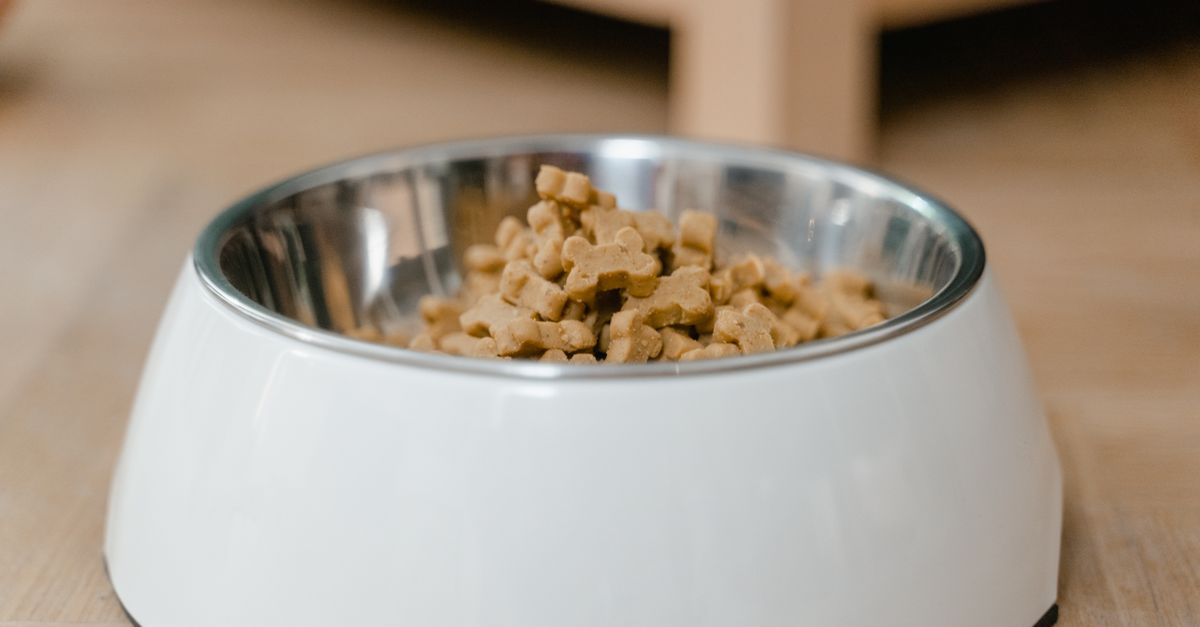
I’ve spent the last decade building businesses, designing apps, and optimizing systems, but nothing has taught me more about consistency and care than feeding my three dogs—Bella, Sky, and Snowball—with a raw dog food diet. In this article I’ll walk through why raw diets matter, how to choose ingredients, prep meals safely, manage costs, and keep your pets healthy in 2026.
Why Raw Dog Food?
The core idea behind raw feeding is mimicking the natural diet of wolves: muscle meat, organ flesh, bones, and occasional plant matter. This approach offers higher protein quality, natural enzymes, and fewer fillers than commercial kibble. For my family’s dogs—each with different activity levels—the benefits are clear: shinier coats, clearer skin, steadier energy, and improved digestion.
Raw diets also align with sustainability goals. By sourcing local meats and using by‑products that would otherwise go to waste, we reduce environmental impact. In 2026, many suppliers now offer traceable, farm‑to‑table options that meet USDA guidelines for raw pet food safety.
Nutritional Basics
Raw diets require a balanced mix of macronutrients and micronutrients:
- Protein: 30–40% of calories from muscle meat. High-quality proteins supply essential amino acids like lysine, methionine, and taurine.
- Lipid: 10–15% from fatty tissues such as chicken skin or pork fat. These fats provide energy and support joint health.
- Carbohydrate: minimal—usually <5%, sourced from fruits or vegetables. Carbs mainly add fiber rather than bulk calories.
- Calcium-to-phosphorus ratio: 1.2–1.4 to support bone health, especially important for growing puppies and senior dogs.
- Minerals and vitamins: added through organ meats, eggs, and greens. Organ meats are dense in iron, B12, and vitamin A; leafy greens supply folate, calcium, and antioxidants.
A well‑structured raw menu also includes a small portion of raw egg whites for protein and a handful of leafy greens for fiber and antioxidants. The goal is to avoid deficiencies while keeping the diet as close to natural as possible.
Choosing Ingredients – A Practical Checklist
The key takeaway: prioritize freshness, source responsibly, and rotate proteins to keep your dog’s palate excited.- High‑quality muscle cuts (beef, chicken, turkey). Look for grass‑fed or pasture‑raised labels when possible.
- Organ meats (liver, kidneys) twice a week. Rotate with heart or tongue for variety.
- Bones—raw, non‑cooked, weight‑appropriate. Include small, manageable bones like chicken wings or turkey necks for chew therapy.
- Fresh fruits/veggies: blueberries, carrots, spinach, zucchini, pumpkin puree. Avoid onions, garlic, and grapes.
- Optional supplements: fish oil for omega‑3s, calcium powder if needed, a probiotic capsule to aid digestion.
When I first started, my dogs were skeptical. By rotating proteins—beef one day, chicken the next—I kept their interest high and minimized digestive upset.
Preparing Meals Safely
Raw feeding demands strict hygiene to prevent bacterial contamination:
- Wash hands before handling food.
- Use separate cutting boards for raw meat and vegetables.
- Store meats at 32–36°F; keep prepared meals in airtight containers.
- Always refrigerate or freeze leftovers within two hours of preparation.
A quick tip: I use a digital food scale to portion each meal accurately, ensuring consistent calorie intake across my dogs’ ages and sizes. This also helps track progress when adjusting for weight changes.
Storage & Shelf Life
Raw meals can be kept in the fridge for up to 48 hours or frozen for 4–6 weeks. When freezing, portion into weekly servings so you don’t thaw more than needed. Label containers with date and dog’s name—makes it easier during busy mornings.
In my experience, using silicone ice cube trays for small portions works well for the pups that need extra protein boosts before a hike or play session.
Cost Considerations
Raw diets can be more expensive than kibble, but with smart sourcing you keep costs manageable:
- Buy in bulk from local farms or wholesale suppliers—look for deals on off‑cuts and organ meats.
- Use a subscription service that offers tiered pricing based on weight; many provide free shipping after the first month.
- Cook once a week and freeze; this reduces daily prep time and waste.
In 2026, I’ve found a local butcher who supplies my meats at about $3–$4 per pound, and a nearby co‑op that sells fresh eggs for under $0.50 each. The difference is noticeable when you calculate monthly expenses versus a standard kibble budget.
Delivery Services & Subscription Options
For busy families, pet food delivery can streamline the process:
- Choose a service that offers customizable menus (e.g., protein mix, portion sizes).
- Look for “farm‑to‑table” labels indicating traceability.
- Verify that the provider follows USDA raw pet food safety standards.
I recently switched to a subscription platform that delivers weekly packs of muscle meat and organ blends. The convenience saved me 30 minutes each weekday morning, and I can still adjust portions on the fly if my dogs’ activity levels change.
Veterinarian Consultation & Monitoring
Before starting raw feeding, schedule a vet checkup to discuss your plan. Discuss:
- Your dogs’ current health status (e.g., allergies, digestive issues).
- Baseline blood work to establish nutrient levels—CBC, biochemistry panel, and urinalysis.
- Progress monitoring every 3–6 months to catch any emerging deficiencies or excesses early.
In my experience, a vet who supports raw diets can help you identify potential gaps and recommend supplements. I’ve had the benefit of regular check‑ups that keep my dogs thriving without surprises.
Common Mistakes to Avoid
- Overlooking calcium: raw meat alone is low in calcium; supplement with crushed eggshell or bone meal.
- Using cooked bones: they can splinter and cause internal injuries.
- Neglecting hygiene: always clean surfaces after handling raw food.
- Ignoring individual needs: a one‑size‑fits‑all menu may not suit each dog’s metabolism.
A quick reminder: If you notice any signs of digestive upset—diarrhea, vomiting, or lethargy—consult your vet before making further changes.
Personal Experience with My Dogs
In my experience, the transition from kibble to raw was gradual. I started by mixing a small amount of raw meat into their usual food, then increased the ratio over two weeks. Bella, the senior Border Collie, responded best to a high‑protein mix with added omega‑3s; Sky’s playful nature demanded more calories and a slight increase in fat content.Adela, my 8‑year‑old daughter, loves helping me prepare meals. She learns about nutrition, portion control, and the importance of sourcing responsibly. Zachary, who tends to be social and energetic, appreciates the extra protein that fuels his PS5 gaming marathon sessions—though I remind him that a balanced diet supports real‑life energy too.
One humorous moment: after a big hike, Bella tried to “chew” my spare bone. I joked that if she keeps eating my bones, she’ll start charging me for the “Old Lady’s” chew time. It reminded us all that raw feeding is not just about nutrition but also about bonding and shared routines.
Overall, the raw diet has improved their coat quality, reduced skin flare‑ups, and given me peace of mind knowing we’re feeding them something natural and sustainable.
What’s your biggest challenge when transitioning to a raw dog food diet, and how have you addressed it?