
How Can I Choose the Best Wholesome Dog Food Subscription for My Pet?
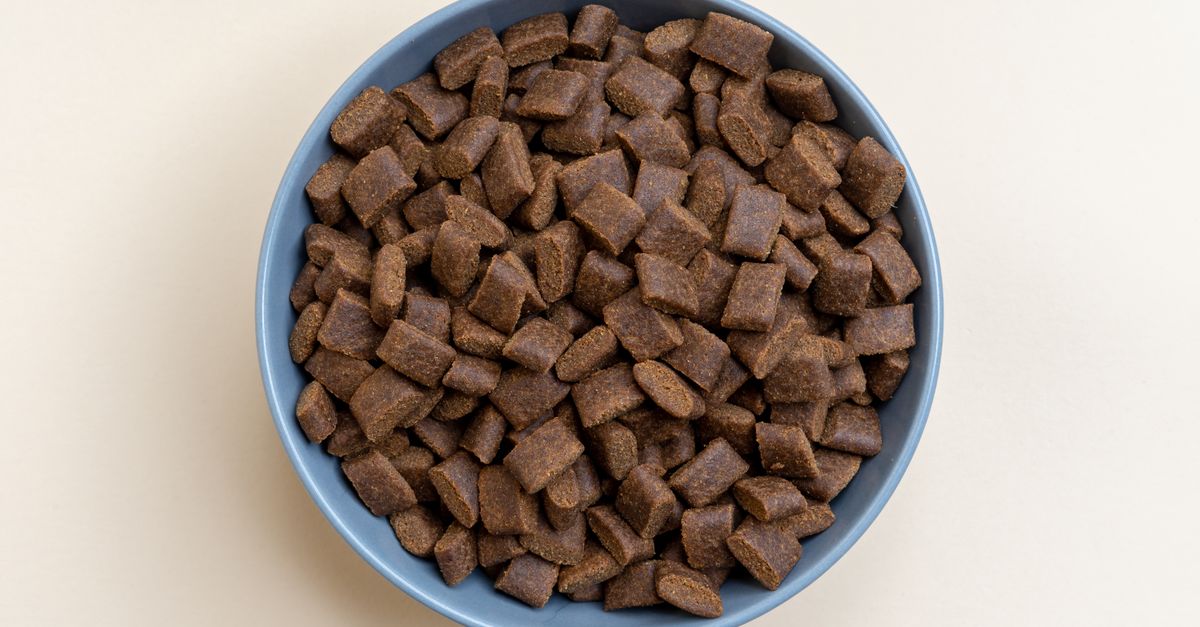
I’ve spent years juggling business launches and family life, but one constant challenge has been finding reliable, high‑quality dog food that keeps my three dogs—Bella, Sky, and Snowball—happy and healthy. With so many brands touting “gourmet” or “pet‑friendly” claims, it’s hard to know which options truly deliver wholesome nutrition without breaking the bank. Finding a balance between cost, convenience, and nutritional integrity has become an art form that every devoted pet parent must master.
What Makes Dog Food Truly Wholesome?
A dog food that earns the label wholesome isn’t just free of fillers; it contains real ingredients in the right proportions, and its production meets strict quality standards. When I read a label, I look for:
Key Criteria for Wholesome Dog Food
- Real Protein Sources: Whole meats (chicken, beef, salmon) or meat meals should be the first ingredient.
- Balanced Carbohydrates: Brown rice, barley, oats, or sweet potatoes provide sustained energy.
- No Artificial Additives: Avoid artificial colors, flavors, and preservatives.
- Omega‑3 & Omega‑6 Fatty Acids: Essential for coat health; look for fish oil or flaxseed.
- Certified Quality: USDA, ISO, or independent lab testing guarantees ingredient integrity.
In addition to these basics, I also verify that the food lists a clear source of each protein and that it contains no by‑product meals unless they are clearly labeled as such. A wholesome diet is one where every nutrient serves a purpose—no filler ingredients merely occupying space.
Subscription Models vs Bulk Buying: Which Is Better?
Dog food subscriptions promise convenience and often cost savings, but they also carry risks such as over‑ordering or receiving stale batches. Comparing the two helps me make an informed decision.
Pros & Cons of Dog Food Subscriptions
- Convenience: Automatic delivery eliminates trips to the pet store.
- Freshness Guarantee: Many services ship within 48 hours of production.
- Cost Savings: Bulk discounts can lower unit price by 10‑15%.
- Flexibility: Options to pause or adjust quantity mid‑subscription.
- Risk of Overbuying: Misreading your dog’s appetite may lead to waste.
- Limited Brand Selection: Some services offer only a handful of brands.
Bulk buying, on the other hand, gives me control over inventory and can be cheaper per pound if I shop during sales. However, it requires more effort in ordering and storage. When choosing bulk, I factor in my pantry space, the dog’s consumption rate, and the shelf life of different ingredients.
When Is Gourmet Dog Food Worth It?
Gourmet dog food often features premium ingredients and unique flavor combinations. I reserve gourmet options for special occasions or when my dogs need a dietary boost.
Reasons to Choose Gourmet Dog Food
- High‑Quality Protein: Grass‑fed meats, wild‑caught fish.
- Limited Ingredient Formulas: Ideal for dogs with sensitivities.
- Enhanced Palatability: Flavors that encourage picky eaters.
- Special Nutrient Additions: Turmeric, blueberries, or collagen.
- Brand Transparency: Detailed sourcing information and lab reports.
Gourmet lines are typically 25‑30% pricier than standard brands, so I balance the cost against the expected benefit for each dog’s specific needs. For example, if a senior dog shows signs of joint stiffness, adding a gourmet formula with glucosamine and chondroitin can justify the extra expense.
Nutritional Essentials Every Dog Needs
No matter the brand, a balanced diet must cover core macronutrients and essential vitamins/minerals. Below is a quick reference for what to look for on labels.
Macro & Micro Requirements
- Protein: 18‑25% of dry weight; supports muscle maintenance.
- Fat: 10‑15%; primary energy source and aids nutrient absorption.
- Carbohydrates: 30‑45%; provides fiber for digestive health.
- Calcium & Phosphorus Ratio: 1.2:1; essential for bone development.
- Vitamin D: Supports calcium metabolism.
- Biotin & Vitamin E: Promote healthy skin and coat.
I adjust protein percentages according to each dog’s life stage—higher for puppies, moderate for adults, and slightly lower for senior dogs—to meet their evolving energy needs. When a food falls short on one nutrient, I supplement with a multivitamin or a small amount of fresh fruit to keep the diet balanced.
Beyond Dog Food: Pet-Friendly Human Foods
Many owners want to share their meals with pets. Knowing which foods are safe keeps my dogs out of the ER.
Safe Human Foods for Dogs
- Lean Meats: Chicken, turkey (cooked, no seasoning).
- Vegetables: Carrots, green beans, peas.
- Fruits: Apples (no seeds), blueberries, bananas.
- Cereals: Oatmeal, plain rice.
- Dairy Alternatives: Plain Greek yogurt in small amounts.
- Eggs: Fully cooked; avoid raw due to salmonella risk.
I keep a list of these foods handy and double‑check any new items before sharing them with my dogs. Portion control is key—too much can upset the stomach, while too little may not be worthwhile.
Choosing the Right Subscription Service
Not all subscription platforms are equal. I evaluate each one on several fronts to ensure it aligns with my standards for quality, cost, and customer experience.
Evaluation Criteria for Dog Food Subscriptions
- Customization: Ability to select brand, size, and delivery frequency.
- Quality Assurance: Transparency about sourcing, lab testing, and batch numbers.
- Customer Support: Responsive service for questions or issues.
- Return Policy: Easy refunds if the product doesn’t meet expectations.
- Packaging Sustainability: Recyclable materials reduce environmental impact.
- Price Transparency: No hidden fees; clear per‑pound cost.
When I compared a few services, those with open ingredient lists and free returns stood out as the most reliable. A good service will also provide a tracking number for each shipment so you know exactly when fresh food arrives—an essential feature if you have a small dog that consumes only a handful of ounces per day.
Common Mistakes and How to Avoid Them
Even seasoned pet owners can fall into pitfalls that waste money or compromise nutrition. Here are six common errors and how to steer clear.
Top Pitfalls in Dog Food Selection
- Overpaying for Premium Claims: Not every “organic” label justifies the price hike.
- Ignoring Ingredient Order: The first ingredient should be a recognizable protein source.
- Switching Too Frequently: Rapid changes can upset gastrointestinal balance.
- Relying on Shelf‑Life Claims Alone: Freshness is not the only indicator of quality.
- Not Checking for Allergens: Common triggers include wheat, corn, and soy.
- Neglecting Vet Guidance: Tailoring diet to medical conditions improves outcomes.
A mindful approach—reviewing labels, consulting my vet, and monitoring my dogs’ health—helps me avoid these missteps. For instance, if a dog shows signs of digestive upset after a brand switch, I’ll pause the transition for a week before proceeding.
Practical Tips for Transitioning Your Dog to New Food
When I switch a dog from one brand or flavor to another, I follow a structured plan to minimize digestive upset.
- Week 1: Mix 25% new food with 75% old food; feed twice daily.
- Week 2: Increase to 50/50 mix.
- Week 3: Shift to 75% new and 25% old.
- Week 4: Feed only the new food; observe stool consistency.
- Monitor: Look for signs of diarrhea, vomiting, or lethargy.
- Adjust: If issues arise, slow the transition to 2‑3 weeks longer.
During this period I also keep a small journal noting food intake and any changes in energy levels. If the dog’s stool remains normal after the final week, I’m confident that the new diet is well tolerated. Should any adverse reaction surface, I’ll revert to the previous formula until symptoms subside.
Final Verdict: What Works Best for My Dogs?
After testing several brands and subscription plans, I settled on a mid‑tier service that offers customizable orders and transparent ingredient sourcing. For Bella, who is 10 years old and needs lower protein, I selected a senior formula with added glucosamine. Sky’s high energy requires a higher fat content, so I chose a grain‑free line featuring salmon. Snowball, the adventurous one, gets a balanced option with added vitamins.
Each dog receives fresh food delivered bi‑weekly, and I adjust quantities based on their growth or seasonal activity levels. The service’s return policy gives me confidence that if a batch doesn’t meet my standards, I can swap it without hassle. I also take advantage of the packaging sustainability feature, which reduces waste and aligns with my eco‑friendly household practices.
Key Takeaway: A wholesome dog food subscription that balances quality transparency, customization, and cost efficiency is the most reliable way to keep your dogs healthy and happy.In my experience, the biggest time saver comes from setting up a recurring order that automatically replenishes before you run out. I’ve cut down on last‑minute trips to the pet store by at least 30% each month.
What specific criteria do you prioritize when choosing dog food, and how have they impacted your pets’ health?