
How Should I Choose a Pet Food Delivery Service That Offers Sustainable and Natural Dog Food?
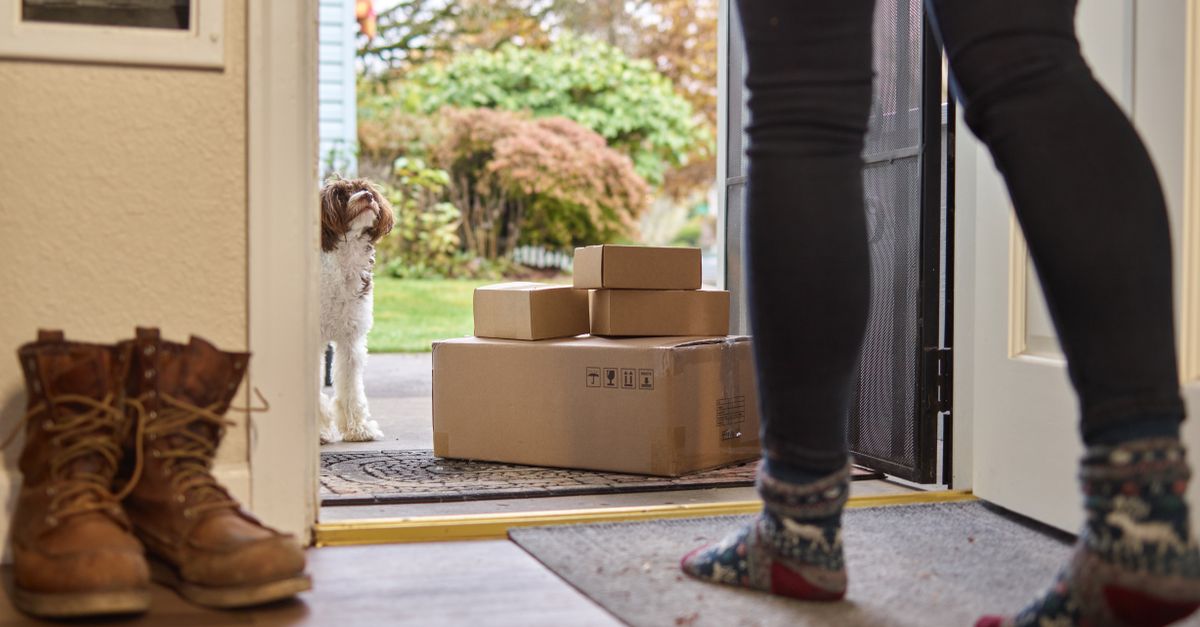
I’m Justin Young, entrepreneur, coder, dad, and dog lover. Every morning I toss a bag of kibble to Bella, Sky, and Snowball and wonder: am I feeding them the best? As a founder who builds systems from scratch, I’ve built my own pet food delivery model—just not the one you see on Amazon or Walmart. In 2026, the market is flooded with “pet food delivery” options that promise convenience but often fall short on sustainability and nutrition. Let me walk you through what to look for: sustainable dog food, natural ingredients, tailored pet nutrition, and holistic formulations.
What Is the Core Difference Between Pet Food Delivery and Traditional Retail?
Pet food delivery services let you set up recurring shipments, adjust portions with a click, and receive fresh meals at your doorstep. Traditional retail requires trips to the store and often results in bulk purchases that spoil quickly.
Key Advantages of Delivery
- Freshness: Meals arrive within 48 hours of production.
- Convenience: No last‑minute runs for a forgotten bag.
- Customization: Portion sizes adjust with your dog’s weight and activity level.
- Data Tracking: App dashboards show calories, macros, and growth trends.
But convenience can be a double‑edged sword. Many delivery brands use mass‑produced kibble that is high in fillers, artificial additives, and low in real protein.
How Do I Identify Truly Sustainable Dog Food?
Sustainability means sourcing ingredients responsibly, reducing carbon footprints, and minimizing waste. In a good sustainable line you’ll see:
Ingredient Sourcing
- Locally grown grains or grain‑free options.
- Certified humane animal protein (beef, chicken, fish).
- Plant proteins from regenerative farms.
- No exotic meats that require long shipping distances.
When you scan a label, look for “farm‑to‑table” or “carbon neutral” certifications. In my experience, brands that partner with local farmers keep the supply chain lean and reduce emissions dramatically.
What Makes Natural Dog Food Different From Regular Kibble?
Natural dog food is defined by ingredients that are minimally processed. That means:
Ingredient Criteria
- No artificial colors, flavors, or preservatives.
- Whole foods: real meat, vegetables, and healthy fats.
- Low in added sugars and salt.
- Transparent sourcing—see a map of where each ingredient comes from.
Natural food often contains higher protein levels, which aligns with canine biology. If you’re feeding your dog a natural diet, consider supplementing with probiotics or omega‑3s for optimal gut health.
How Do I Evaluate Tailored Pet Nutrition Services?
A tailored approach means the nutrition plan adapts to your dog’s age, weight, breed, and activity level. Here’s what to check:
Customization Features
- Initial health assessment: vet‑approved questionnaire.
- Monthly re‑evaluation: adjust calories as your dog grows or loses weight.
- Allergy alerts: remove ingredients that trigger reactions.
- Special diets: grain‑free, joint‑support, or senior formulas.
I’ve tested a few systems that use machine learning to recommend portion sizes. They’re great for busy families who want to avoid over‑feeding but still keep their pets happy and healthy.
What Are the Core Elements of Holistic Dog Food?
Holistic food considers the whole animal—body, mind, and environment. It’s more than just a list of ingredients; it’s about balance and wellbeing.
Holistic Criteria
- Balanced macro‑nutrients: protein, fat, carbohydrates in optimal ratios.
- Micronutrient density: vitamins A, D, E, zinc, selenium.
- Functional ingredients: turmeric for inflammation, pumpkin for digestion.
- Minimal processing: no extrusion or high heat that destroys nutrients.
If a brand claims holistic but still uses heavy preservatives, you’ve got a mismatch. Look for third‑party lab testing on their website.
What Common Mistakes Do Families Make When Choosing Delivery?
Many new adopters fall into these traps:
Common Pitfalls
- Choosing the cheapest option without checking ingredient quality.
- Ordering a one‑size‑fits‑all formula for a mixed‑breed with specific needs.
- Ignoring expiration dates—kibble can lose nutrients within six months.
- Not reviewing return policies if the food doesn’t meet expectations.
In my experience, reading customer reviews and testing a sample pack before committing saves time and money. Treat the first month like a trial period.
How Do I Compare Prices Without Sacrificing Quality?
The price tag is often misleading. A higher upfront cost may mean fewer trips to the store, less waste, and better health outcomes. Here’s a quick comparison framework:
Cost‑Benefit Analysis
- Per‑serving cost: calculate grams per pound of body weight.
- Shipping fees: factor into monthly budget.
- Return policy: free returns reduce risk.
- Health ROI: fewer vet visits for diet‑related issues.
I’ve built a spreadsheet that tracks these variables. It’s simple, but it turns the abstract idea of “savings” into concrete numbers.
How Do I Transition My Dog From Traditional Kibble to Delivery?
Switching diets can be stressful for dogs. Here’s a smooth transition plan:
Step‑by‑Step Transition
- Week 1: Mix 25% delivery food with 75% old kibble.
- Week 2: Increase to 50/50.
- Week 3: 75% new, 25% old.
- Week 4: Full transition.
Monitor for digestive upset. If your dog shows signs of intolerance—diarrhea or vomiting—pause the transition and consult a vet.
What Should I Do If I Have an Allergic Dog?
Allergies can be triggered by proteins, grains, or even dyes. Here’s how to handle them:
Allergy Management
- Identify the allergen via elimination diet.
- Select a hypoallergenic formula—usually single protein and no grains.
- Use an ingredient list that lists all potential allergens in order of concentration.
- Consider supplementing with omega‑3 fatty acids to support skin health.
In my experience, brands that allow you to customize the exact ingredients are worth a bit more. The peace of mind is priceless.
How Do I Keep My Dogs Healthy While Still Enjoying Treats?
Treats can be part of a balanced diet if used wisely:
Healthy Treat Guidelines
- Limit treats to <10% of daily calories.
- Choose natural, single‑ingredient options (e.g., freeze‑dried meat).
- Avoid high‑salt or sweetened snacks that can cause obesity.
- Rotate flavors to prevent picky eating.
I like to make my own treats using oat flour, pumpkin puree, and a touch of honey. It’s cheap, nutritious, and eliminates the mystery ingredients you find in store bags.
What Future Trends Should I Watch for in Pet Food Delivery?
The pet food industry is evolving fast, especially with AI and automation. Key trends:
Emerging Innovations
- Personalized nutrition algorithms that adjust formulas nightly based on activity data.
- Biodegradable packaging to reduce environmental impact.
- Subscription models that sync with vet appointments for automatic dosage adjustments.
- Blockchain traceability so you can verify every ingredient’s origin.
When choosing a provider, check if they’re investing in these technologies. It signals commitment to long‑term quality and sustainability.
The most important takeaway: A high‑quality pet food delivery service should be transparent about sourcing, offer truly personalized nutrition, and prioritize natural ingredients over convenience alone.In my experience, building a reliable system for feeding your dogs is just as critical as any startup product. Treat it like you would a codebase—document inputs, test outputs, iterate based on feedback, and keep an eye on the environment.
What specific ingredient or feature do you think most often gets overlooked when choosing pet food delivery services?