
How to Feed Your Dog a Fresh, Healthy Diet in 2026
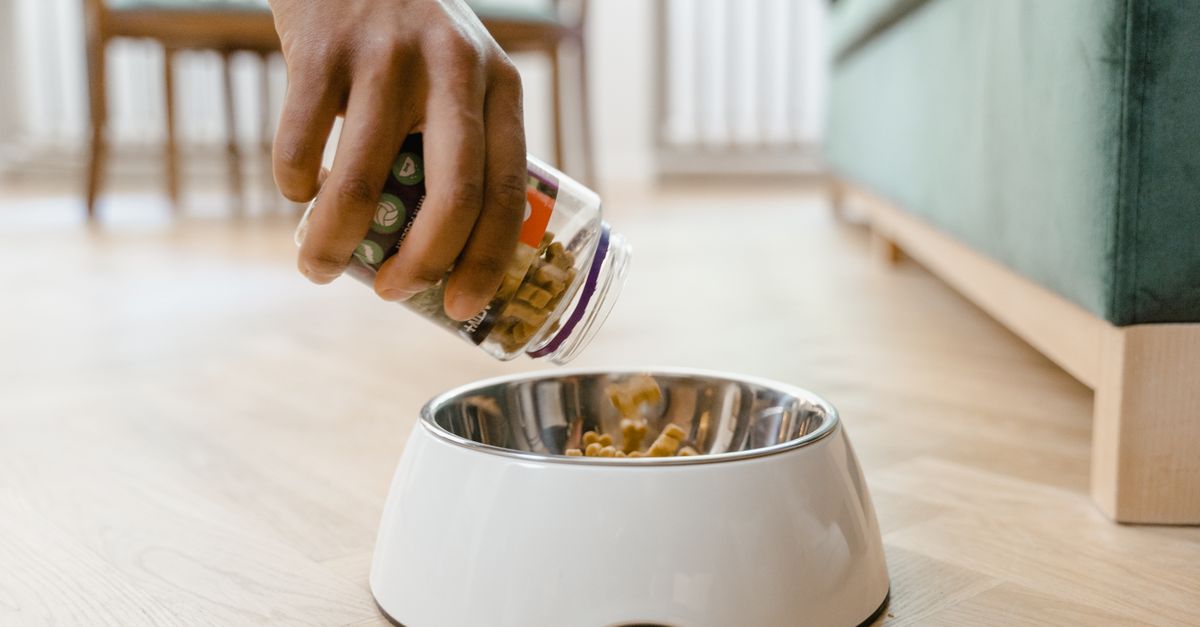
When I first brought home Bella the Border Collie, I promised her a life of quality. That promise extends beyond walks and toys—it's about what she eats. Today, most pet owners still rely on dry kibble that sits on shelves for months, yet fresh food can revitalize health and longevity. In this article, I break down why fresh meals matter, how to choose a delivery service, and practical steps to transition your dog from commercial kibble to wholesome, balanced nutrition.
Why Fresh Food Matters for Dogs
Commercial dry food is convenient but often contains filler grains, artificial preservatives, and limited protein sources. Fresh meals—prepared with real meats, vegetables, and whole grains—offer higher digestibility and nutrient density. The result? Improved coat quality, clearer skin, steadier energy levels, and a stronger immune system.
Dogs are obligate carnivores; their ancestors hunted for protein-rich prey. Modern kibble can dilute that instinct with carbohydrates. Fresh food restores the ancestral balance, giving dogs the amino acids they need for muscle repair and joint health.
Additionally, fresh diets reduce the risk of chronic conditions such as obesity, allergies, and inflammatory bowel disease—all common in dogs fed long-term dry food.
Because fresh ingredients are less processed, they preserve heat‑labile vitamins and antioxidants that can be lost during extrusion. This means your dog receives a more natural spectrum of nutrients, which supports overall vitality and resilience against environmental stressors.
Key Nutritional Components of a Balanced Dog Diet
Protein
Protein is the foundation for muscle maintenance and organ function. Look for sources that provide complete amino acid profiles: chicken, turkey, salmon, and beef are staples. For dogs with sensitivities, consider rabbit or venison.
Recommended Protein Sources (by Category)
- Red Meat – Beef, lamb, venison
- Poultry – Chicken, turkey, duck
- Seafood – Salmon, sardines, trout
- Plant-Based Alternatives – Lentils, chickpeas (for vegetarians)
I often mix a small portion of salmon into Bella’s meals to boost omega‑3 intake. The result? A glossy coat and fewer skin flare‑ups.
Carbohydrates
Unlike humans, dogs need only moderate carbs. Whole grains like brown rice or barley provide fiber for digestion, but starchy vegetables such as sweet potatoes are a better choice for energy without excess glycemic load.
Best Carb Options
- Sweet Potatoes – Low GI, high beta‑carotene
- Quinoa – Complete protein, gluten‑free
- Oats – Good fiber, supports gut health
- Vegetables – Carrots, peas, spinach for micronutrients
When I add a handful of sautéed spinach to Zachary’s dog meal, his energy stays steady during long walks.
Fats
Healthy fats are essential for brain function and joint lubrication. Omega‑6 and omega‑3 fatty acids must be balanced; the ideal ratio is roughly 5:1 in favor of omega‑6.
Fat Sources to Include
- Fish Oil – Rich in EPA/DHA
- Coconut Oil – Medium‑chain triglycerides for quick energy
- Flaxseed – Plant-based Omega‑3s
- Egg Yolks – Natural source of choline and fat
I keep a small jar of fish oil on my kitchen counter; a dropper in each meal keeps the dogs’ joints happy.
Vitamins & Minerals
Fresh meals naturally contain vitamins A, D, E, K, B‑complex, and minerals like calcium, phosphorus, and potassium. However, careful balancing is needed to avoid deficiencies or excesses.
Supplementation Tips
- Calcium – Use ground eggshells or bone meal if not included in the diet
- Phosphorus – Monitor with protein‑rich foods; adjust accordingly
- Vitamin D – Safe sources include fish liver and egg yolks
- Electrolytes – Add a pinch of sea salt for dogs on high‑activity routines
After adding a small dose of ground eggshell to Snowball’s diet, I noticed clearer bone development during her growth spurts.
Omega‑3 Fatty Acids and Gut Health
Omega‑3 fatty acids support cognitive function and reduce inflammation in joints. Fiber from sweet potatoes aids digestion and helps regulate blood sugar spikes, creating a stable energy supply throughout the day.
Common Pitfalls in Commercial Dry Food vs Fresh Options
A frequent mistake is assuming “kibble” equals “complete.” Many brands prioritize shelf life over nutrition, leading to:
- Excessive grains that can cause digestive upset
- Low‑quality protein sources like meat by-products
- Artificial colors and preservatives that may trigger allergies
- High sodium content that strains kidneys over time
Fresh food eliminates these concerns but introduces new challenges—storage, prep time, and cost. Recognizing the trade‑offs helps you make an informed decision.
How to Transition Your Dog to Fresh Food
Switching should be gradual to avoid gastrointestinal upset.
- Week 1: Mix 25% fresh with 75% kibble. Observe for stool changes.
- Week 2: Increase fresh portion to 50%. Monitor energy levels and appetite.
- Week 3: Shift to 75/25. Look for improved coat softness.
- Week 4: Full fresh meals, if tolerated.
Keep a journal of each dog’s response; adjust portions or ingredients based on their reaction. If you notice loose stools or decreased appetite, pause the transition and allow a few days before resuming at the same ratio. Watch for pale or bloody stools; these may signal intolerance and warrant reducing fresh content by 10–15%.
Choosing a Pet Meal Delivery Service
The market is crowded, but not all services deliver quality. Here’s what I look for when selecting a provider:
Sourcing Transparency
Do they disclose where the meat comes from? Organic or pasture‑raised options reduce antibiotic exposure.
Customization Options
Your dogs have unique needs—weight management, joint support, hypoallergenic formulas. A good service lets you tweak macronutrients and add supplements.
Delivery Frequency & Logistics
Weekly or bi‑weekly deliveries keep food fresh while minimizing waste. Verify that the provider uses insulated packaging to preserve temperature during transit.
Cost Structure
Compare per-pound pricing against your budget. Some services offer subscription discounts; others charge a flat fee regardless of portion size.
Customer Support & Trial Periods
Responsive support helps resolve ingredient questions or schedule changes. A trial period lets you test quality before committing long-term.
Veterinary Oversight
Services that collaborate with board‑certified veterinarians can adjust recipes for medical conditions, ensuring safety and efficacy.
Budgeting and Cost Comparison
Below is a rough cost breakdown for a 50-pound dog on a typical diet:
- Dry Kibble: $0.25 per pound → ~$12.50/month
- Fresh Meal Delivery (mid-range): $1.80 per pound → ~$90/month
- High-End Fresh Service: $2.20 per pound → ~$110/month
While fresh food is pricier, consider the health dividends: fewer vet visits for allergies or joint pain can offset the monthly expense over time. A general rule is 1.5–2.0 % of body weight in pounds per day; multiply by cost per pound to estimate monthly spend.
Real-World Examples from My Family Dogs
When I switched Bella to a salmon-based fresh meal, her coat went from dull to glossy in two weeks. Sky’s energy during hikes increased noticeably after adding sweet potato and spinach to his diet. Snowball showed fewer digestive issues once we replaced her kibble with a balanced mix of beef, carrots, and flaxseed. I also switched my retired Labrador, Max, to a joint‑support formula, and his mobility improved noticeably after just one month.Each dog responded uniquely; the key was tailoring protein sources and carb levels to their activity level and health history.
Monitoring Health & Adjustments
Track the following metrics weekly:
- Weight: Aim for a body condition score between 4–5 on a 9-point scale. Use a 1–9 scale; a score of 4–5 indicates ideal weight and is easy to monitor with visual cues.
- Coat Condition: Look for shine, softness, and reduced shedding.
- Stool Quality: Consistent, firm stools indicate good digestion.
- Energy Levels: Noticeable changes in playfulness or fatigue.
If you see sudden weight loss or lethargy, revisit protein portions or consult your vet. Adjusting the diet is a dynamic process—don't be afraid to tweak until optimal results appear. Logging meals in a simple spreadsheet helps correlate food changes with health outcomes over time.
The most important takeaway: Fresh food isn’t a luxury; it’s a foundational component of canine health that can reduce long‑term medical costs and improve quality of life.In conclusion, investing in fresh meals for your dog is an actionable step toward longevity and well‑being. From understanding nutritional fundamentals to selecting the right delivery service, the process is straightforward when you focus on transparency, customization, and monitoring. Start small, stay consistent, and watch your furry family thrive.
What has been your biggest challenge transitioning from kibble to fresh food?