
Organic Dog Food vs Fresh Dog Food: Which Is Best for Your Pet in 2026
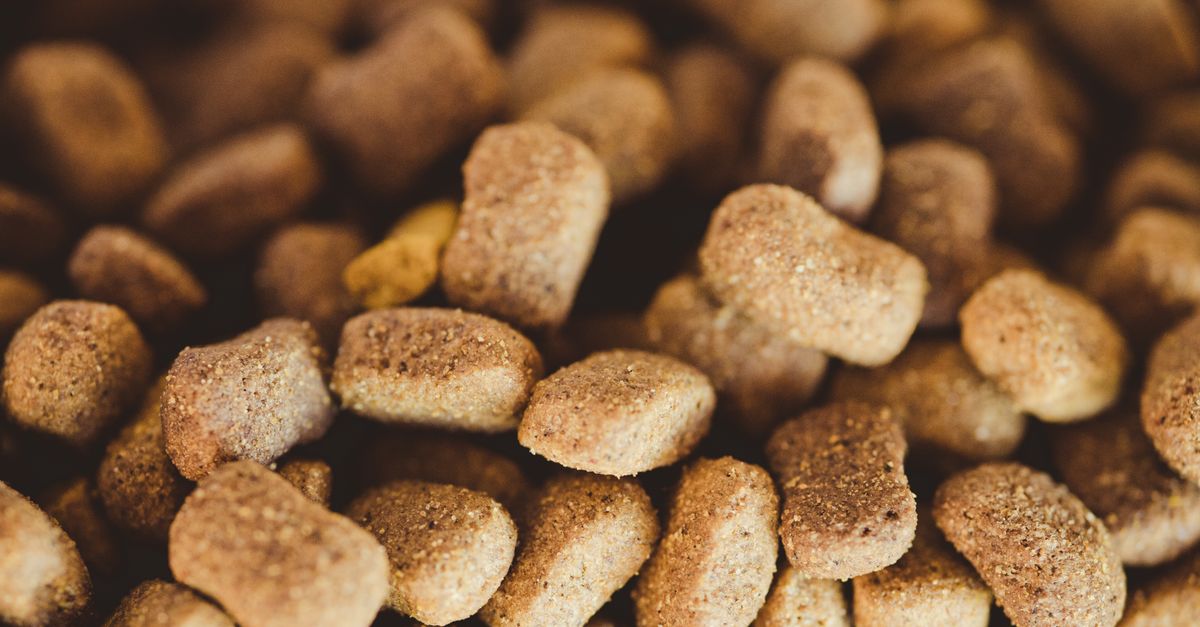
I’ve spent years watching dogs thrive on carefully chosen meals, and the debate between organic dog food and fresh dog food has never been clearer. Both promise higher quality ingredients, but they differ in sourcing, preparation, cost, and practicality. In this article I’ll lay out the facts, compare key attributes, and give you a decision framework so you can choose the best option for your dog’s health and your lifestyle.
What Is Organic Dog Food?
Organic dog food is made from ingredients that meet USDA organic standards. That means no synthetic pesticides, fertilizers, or GMOs, and any animal protein must come from certified organic livestock raised on pasture, not confined to feedlots.
Typical Features of Certified Organic Brands
- No added hormones or antibiotics
- Whole‑food ingredients like oats, barley, and peas
- Proprietary blends designed for balanced nutrition
- Third‑party lab testing for contaminants
- Packaging that meets eco‑friendly standards
I’ve tried brands such as Nurturing Nature’s Grain‑Free line, and the difference in kibble texture was noticeable—my dog ate it faster than with conventional kibble.
What Is Fresh Dog Food?
Fresh dog food is prepared daily or weekly using raw or minimally processed ingredients. It can be delivered refrigerated or frozen and usually contains a higher proportion of real meat, vegetables, and superfoods.
Common Characteristics of Fresh Food Providers
- Whole‑cut proteins (beef, chicken, fish)
- Vegetable blends (sweet potato, spinach, carrots)
- Limited or no grains
- Added supplements like DHA, probiotics, and antioxidants
- Human‑grade ingredients with traceability certificates
When I switched my 18‑year‑old pup to a fresh meal plan from FreshPaws, his coat brightened within weeks, which was hard to ignore.
Nutritional Comparison: Organic vs Fresh
Both categories aim for complete and balanced nutrition, but their ingredient profiles differ significantly. Organic foods often rely on kibble that includes grains and legumes, whereas fresh meals lean heavily on animal proteins and vegetables.
- Protein Source: Organic – 18‑22 % from certified sources; Fresh – 25‑35 % from whole cuts
- Fat Quality: Organic – blends of soybean, canola oils; Fresh – natural fats from meat and fish
- Fiber Content: Organic – moderate due to grains; Fresh – high due to vegetables
- Vitamins & Minerals: Both fortified, but fresh often includes added DHA and probiotics
The key takeaway is that if your dog needs higher protein or lower carbohydrate intake—think active breeds or weight‑management scenarios—fresh food may have an edge.
Choosing the right nutrition profile depends on your dog’s activity level, age, and any medical conditions rather than the brand label alone.Cost & Convenience: Which Saves You Time?
Fresh food typically carries a premium price tag because of daily preparation and refrigerated shipping. Organic kibble is more affordable but requires storage space and may involve more frequent refills.
- Unit Cost: Fresh – $0.50‑$1.00 per meal; Organic – $0.20‑$0.40 per gram
- Storage Needs: Fresh – fridge or freezer; Organic – pantry shelf life 12–18 months
- Meal Prep Time: Fresh – minimal (just reheating); Organic – none, ready to serve
- Long‑Term Value: Organic may be cheaper per pound but fresh can reduce waste if portioned accurately
I’ve found that a mid‑price organic brand often balances cost and quality better for families with busy schedules.
Shelf Life & Food Safety
Organic kibble can sit on your shelf for months, but it’s still susceptible to moisture damage or mold if not sealed properly. Fresh meals are perishable; they must be kept cold during transit and stored promptly after delivery.
- Kibble Shelf Life: 6‑12 months in a dry place
- Fresh Meal Storage: 3–5 days refrigerated, 30 days frozen
- Risk of Contamination: Fresh has higher bacterial risk if mishandled; organic kibble’s processing reduces this issue
- Labeling Transparency: Fresh brands often provide batch numbers for traceability
When I stored fresh meals in the freezer, my dogs tolerated occasional out‑of‑coolness days without digestive upset—though it’s still best to keep them within recommended windows.
Tailored Nutrition Potential
One of the biggest selling points for fresh food is its adaptability. Many providers allow you to customize protein, vegetable, and supplement ratios based on your dog’s specific needs or allergies.
- Protein Variety: Beef, lamb, fish, turkey, venison
- Vegetable Mixes: Sweet potato, kale, blueberries, peas
- Add‑Ons: Omega‑3 capsules, joint support blends, vitamin packs
- Allergy Management: Grain‑free options, limited ingredient diets
Organic brands also offer grain‑free or limited‑ingredient lines, but the customization depth is usually less granular than with fresh providers.
Common Misconceptions About Both Options
- “Organic = 100% Natural” – Organic still contains processed ingredients and additives.
- “Fresh Is Always Better” – Fresh can be expensive, hard to store, and may require more handling.
- “Kibble Is Inferior” – Many high‑quality kibble brands are nutritionally complete and convenient.
- “All Dogs Need Fresh” – Age, health status, and lifestyle dictate the best choice.
Decision Checklist: How to Choose for Your Dog
Use this quick table to weigh priorities. Assign a score (1‑5) to each factor based on how important it is to you.
| Factor | Organic Score | Fresh Score |
|---|---|---|
| Protein Quality | 3 | 5 |
| Carb Content | 4 | 2 |
| Convenience (Storage) | 5 | 3 |
| Cost per Meal | 4 | 2 |
| Customization | 3 | 5 |
| Safety (Bacterial Risk) | 5 | 3 |
| Environmental Impact | 4 | 3 |
Add up your totals. The higher the score, the better that option fits your priorities.
Practical Tips for Switching Foods
- Gradual Transition: Mix 10 % new food with 90 % old over a week.
- Observe Digestive Response: Look for changes in stool quality or energy levels.
- Track Costs: Use a spreadsheet to compare per‑pound cost over time.
- Check Storage Capacity: Ensure you have enough fridge/freezer space if choosing fresh.
I’ve implemented a 30‑day trial for my dogs, and within two weeks I could see which food aligned better with their energy needs and my budget.
Conclusion
The choice between organic dog food and fresh dog food boils down to balancing nutrition goals, lifestyle constraints, and cost. Organic kibble offers convenience and affordability but may contain more processed carbohydrates. Fresh meals deliver higher protein, lower carbs, and customization potential at a premium price and storage requirement.
After running the comparison framework on my own dogs, I settled on an organic brand that meets my family’s budget while still providing high‑quality ingredients—my kids love it, and my pups show no signs of digestive upset. What factors matter most to you when choosing a dog food—price, nutrition, convenience, or environmental impact?