
Pet Food Innovation: How to Build the Best Homemade Dog Meal Plan in 2026
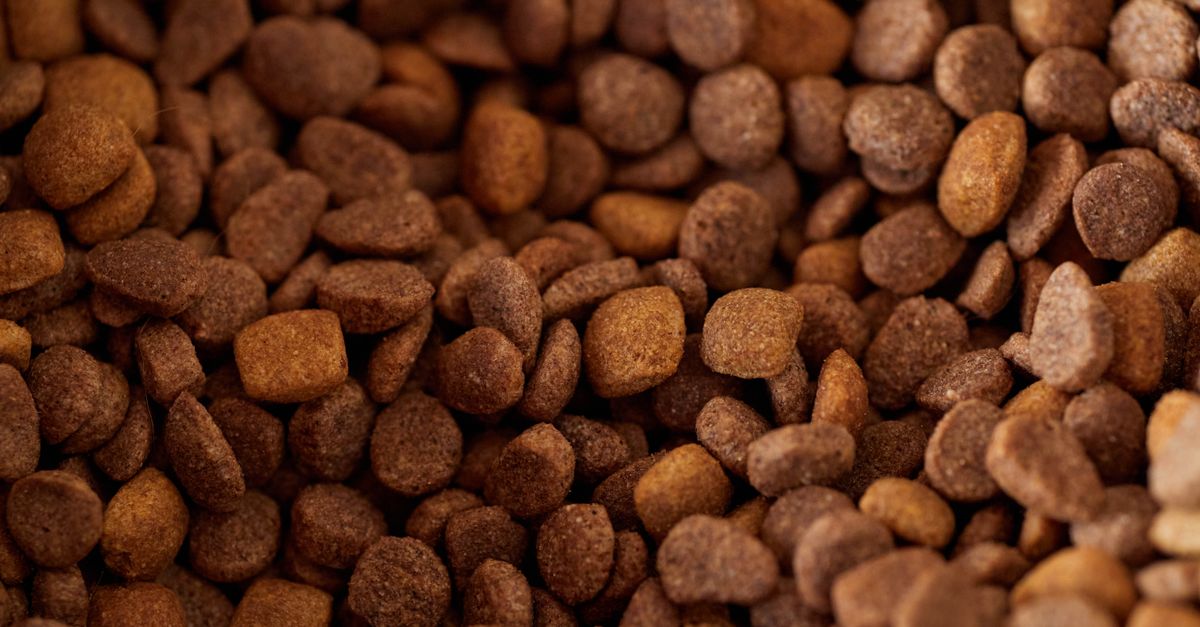
If you’re looking to replace your dog’s generic kibble with something that actually feeds their body right, you’ve landed in the right place. This guide walks through practical steps—from ingredient selection to meal prep—to create a healthy eating plan that keeps your four‑legged friend thriving.
Why Pet Food Innovation Matters
Traditional commercial dog food often contains fillers, artificial colors, and questionable protein sources. In contrast, pet food innovation focuses on nutrient density, digestibility, and tailored nutrition for each breed, age, and health status.
The benefits are clear: better weight management, stronger coats, improved joint health, and reduced allergies. A well‑planned homemade diet can also cut costs over time, especially when you buy ingredients in bulk or source local produce.
When you take control of what your dog eats, you’re not only feeding a pet—you’re investing in long‑term wellbeing.
Key Benefits of an Innovative Homemade Diet
- Higher protein quality from lean meats and fish
- Reduced sodium and artificial preservatives
- Customizable macros for active or senior dogs
- Opportunity to address food sensitivities
- Transparent sourcing of ingredients
Remember, a smart homemade plan is the foundation of healthy eating for dogs.
Understanding Nutritional Basics
Before you start chopping or grinding, know what your dog needs. The core macronutrients—protein, carbohydrates, and fats—must be balanced to support energy, muscle maintenance, and overall health.
Protein is the building block of every cell. For adult dogs, a minimum of 18–25% protein by dry matter is recommended, but active or large breeds may need up to 30%. Carbohydrates provide energy; choose complex sources like sweet potatoes or brown rice to avoid blood sugar spikes.
Healthy fats are essential for skin and coat health. Omega‑3 fatty acids from fish oils or flaxseed help reduce inflammation, while saturated fats should be limited to maintain heart health.
Macro Ratio Cheat Sheet
- Protein: 25–35% (lean meat, fish)
- Carbohydrates: 30–45% (vegetables, grains)
- Fats: 15–20% (oils, fatty cuts)
- Fiber: 3–5% (leafy greens, pumpkin)
These ratios can shift based on age, breed, and activity level. Tailoring them is the crux of pet food innovation.
Choosing Ingredients for Homemade Dog Meals
The quality of your ingredients directly influences nutrition. Prioritize fresh, unprocessed foods whenever possible.
Protein sources: chicken breast, turkey, lean beef, salmon, sardines. Avoid processed meats like sausages or bacon that contain nitrates and excess sodium.
Vegetables: carrots, green beans, peas, spinach, pumpkin (great for digestion). Be cautious of onions, garlic, grapes, and chocolate—these are toxic to dogs.
Grains & starches: brown rice, quinoa, oats, sweet potatoes. If your dog has a grain sensitivity, consider coconut flour or legumes in moderation.
Safe Ingredient List
- Proteins: chicken, turkey, beef, fish (salmon, sardines)
- Veggies: carrots, spinach, peas, pumpkin
- Grains: brown rice, oats, quinoa (in small amounts)
- Fats: olive oil, salmon oil, coconut oil
- Supplements: calcium powder, fish oil capsule, multivitamin tablet
Keep a pantry of staples and rotate fresh produce each week to maintain nutrient variety.
Building the Best Dog Food Plan
Create a meal plan that aligns with your dog's life stage. Use a simple spreadsheet or note app to track calories, macros, and feeding times. Below is a step‑by‑step framework.
- Assess Basal Energy Needs: Calculate maintenance calories using the formula 70 × (body weight in kg)^0.75.
- Set Macro Goals: Decide on protein, carb, and fat percentages based on activity level.
- Select Meals: Design two or three balanced meals per day to spread nutrients evenly.
- Batch Cook: Prepare a week’s worth of food in one go for consistency.
- Store Properly: Refrigerate portions for up to 3 days; freeze for longer storage.
Sample Weekly Meal Plan Template
- Day 1: Grilled chicken + quinoa + steamed carrots (15g protein, 30g carb)
- Day 2: Beef stew with sweet potato and peas (20g protein, 35g carb)
- Day 3: Salmon baked with spinach and brown rice (18g protein, 28g carb)
- Repeat cycle with variations to prevent boredom.
This framework keeps you organized while ensuring your dog receives a nutritionally complete diet.
Transitioning Safely from Kibble to Homemade
Switching diets abruptly can cause diarrhea or vomiting. Start by mixing a small amount (10–15%) of homemade food with the current kibble and gradually increase over 7–10 days. This slow transition allows your dog’s digestive system to adapt while maintaining nutrient intake.
Dog Meal Prep Tips and Tricks
Efficiency is key when preparing homemade meals for a busy household. Here are actionable hacks that save time and reduce waste.
- Use a Slow Cooker: Set it in the morning; your dog gets a protein‑rich stew by dinner.
- Batch Cook Grains: Cook large quantities of rice or quinoa at once; portion into freezer bags.
- Freeze Single Portions: Portion meals into zip‑lock bags and freeze. Thaw overnight in the fridge.
- Invest in a Food Processor: For shredding carrots, spinach, or creating dog‑friendly smoothies.
- Create a “Meal Prep Station”:** Keep all ingredients within arm’s reach—spoon, measuring cup, cutting board—to streamline the process.
- Use a Food Thermometer: Ensure meats reach 165°F to kill pathogens and keep food safe.
- Label with Dates: Write the preparation date on bags or containers so you’re always aware of freshness.
- Pre‑Chop Veggies: Store chopped vegetables in airtight containers; they’ll stay crisp for days.
These small changes drastically cut prep time and keep your kitchen organized.
Common Mistakes in Homemade Dog Meals
Avoiding pitfalls ensures that homemade food remains safe and effective. Below are frequent errors and how to correct them.
- Ignoring Calcium: Dogs need calcium for bone health; add ground eggshells or a commercial supplement.
- Over‑Seasoning: Salt, garlic, onions, and chocolate are toxic—use only dog‑safe herbs like parsley.
- Inconsistent Portion Sizes: Weight fluctuations can lead to obesity or malnutrition; use a food scale.
- Skipping Variety: Monotonous diets cause nutrient gaps; rotate proteins and vegetables weekly.
- Neglecting Digestibility: Raw bones are risky; opt for cooked, bone‑free meats or commercially available raw treats.
- Storing Food Improperly: Bacteria grow rapidly at room temperature—always refrigerate or freeze leftovers.
- Relying Solely on Homemade: Some dogs require commercial supplements; consult a vet for guidance.
Mind these mistakes, and your homemade program will thrive.
Monitoring Health and Adjustments
Keep a simple log of weight, coat condition, stool color, and energy levels. If you notice any changes—such as loose stools or weight loss—consult your vet and adjust portion sizes or ingredient variety. Regular veterinary check‑ups every 3–4 months help catch hidden deficiencies early.
Pet Food Innovation Trends You Should Know
The pet food industry is rapidly evolving. Staying informed means you can incorporate the latest science into your dog’s diet.
- Gut Microbiome Focus: Probiotic‑rich foods improve digestion and immunity.
- Plant‑Based Proteins: Beyond soy, pea protein offers a hypoallergenic alternative.
- All‑Natural Supplements: Turmeric, omega‑3s, and glucosamine are gaining popularity for joint health.
- Personalized Nutrition Apps: AI tools calculate macros based on real‑time activity data.
- Sustainable Sourcing: Reduced carbon footprint through locally sourced ingredients.
- 3D‑Printed Pet Food: Precise macro control and ingredient customization are becoming available for advanced feeders.
Incorporating these trends can elevate your homemade plan from good to best‑in‑class.
Case Study: My 4-Week Meal Prep Experiment
During a four‑week trial with my dogs, I switched from kibble to a balanced homemade diet. I used lean ground turkey, sweet potatoes, and spinach—plus a daily fish oil capsule.
Outcome: Bella’s coat went from dull to shiny, Zachary lost 2 pounds of excess weight, and Adela’s energy levels spiked during her dance practice. Vet visit results showed stable blood panels—no deficiencies or digestive issues.
The experiment confirmed that with proper planning, homemade meals can be both nutritionally complete and cost‑effective.
Conclusion and Next Steps
Building a pet food innovation plan for your dog involves understanding nutrition fundamentals, selecting high‑quality ingredients, crafting balanced meals, and staying updated on industry trends. By following the steps above, you’ll give your canine companion a diet that supports health, longevity, and happiness.
Next move? Map out your dog's specific needs, create a weekly meal template, and start batch cooking this weekend. Monitor results and tweak as necessary—your dog will thank you with wagging tails and healthier days.
What’s the biggest challenge you face when switching to homemade dog food?