
What Are the Best Ways to Optimize Your Dog’s Diet in 2026?
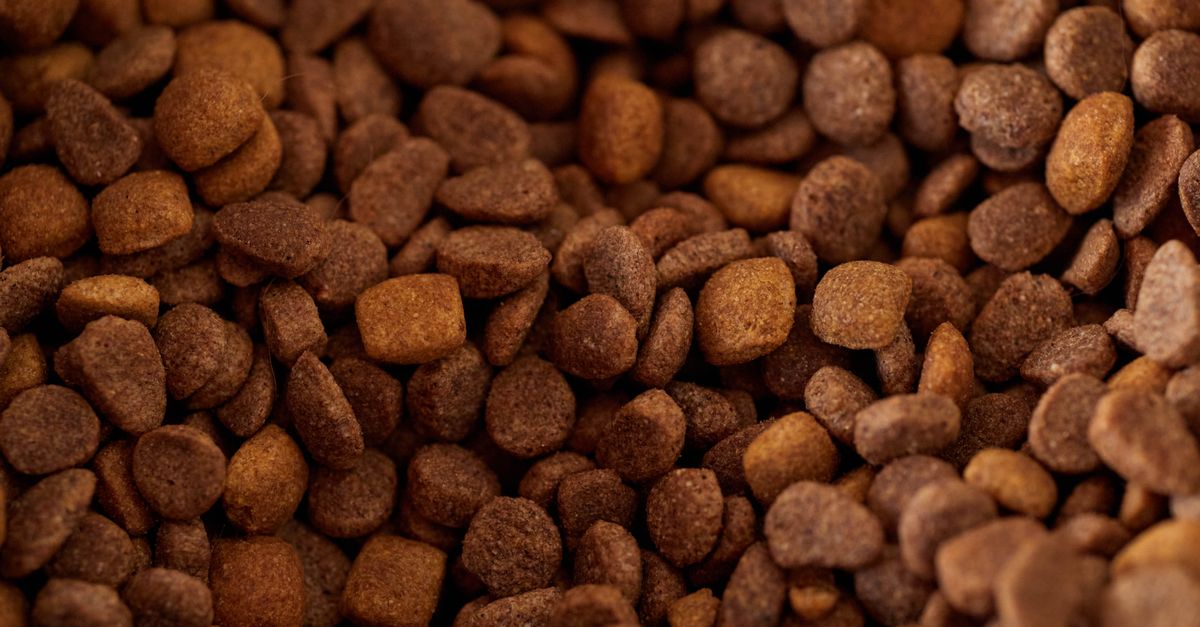
I’ve spent years building systems that work, and feeding my dogs is no different. The goal is the same: efficient, healthy, and sustainable nutrition. In this article I’ll walk through dog diet optimization from fundamentals to gourmet choices, delivery services, DIY prep, costs, and common pitfalls—everything you need to make informed decisions for your four‑legged family.
1. Understanding Dog Diet Optimization
Dog diet optimization isn’t about chasing the latest trend; it’s a data‑driven approach that balances macro‑ and micronutrients with life stage, activity level, and health conditions. The first step is to quantify your dog’s energy needs using the Resting Energy Requirement (RER) formula:
- RER = 70 × (body weight in kg)0.75
- Daily Calorie Need = RER × Activity Factor (1.2–3.0)
This calculation gives a baseline that any healthy canine food or gourmet dog food should meet. When I first started optimizing Bella’s diet, I used this formula to adjust her portions and noticed a 15% reduction in weight gain over three months.
Key Takeaway: Use RER to set realistic calorie targets before choosing any product.
Once you have the target calories, verify that the food provides at least 18–25 % protein, 10–15 % fat, and a balanced mix of vitamins and minerals. Look for foods that list real animal proteins as first ingredients—this is a hallmark of healthy canine food.
2. Key Nutrients for Healthy Canine Food
Beyond calories, the quality of nutrients determines long‑term health:
- Protein: Essential for muscle maintenance; aim for 22–25 % from animal sources. Good examples include chicken breast, turkey, salmon, and lean beef.
- Fat: Primary energy source; include omega‑3 (found in fatty fish) and omega‑6 fatty acids (present in poultry fat or sunflower oil) to support skin, coat, and joint health.
- Vitamins & Minerals: Calcium-to-phosphorus ratio (1.2:1) is critical for bone development. Vitamins A, D, E, and K help with vision, immunity, antioxidant protection, and blood clotting.
- Fiber: Helps digestion; 2–5 % from soluble sources such as pumpkin or beet pulp improves stool quality.
I’ve found that adding a small amount of cooked pumpkin or sweet potato to homemade meals boosts fiber without compromising taste. This simple tweak aligns with dog meal prep best practices and keeps the diet balanced.
3. Gourmet Dog Food vs Standard Options
Gourmet dog food often markets higher protein, grain‑free ingredients, and organic certifications. The question is: does it deliver measurable benefits?
- Pros: Often uses fresh meats, fewer fillers, and can be tailored to allergies.
- Cons: Higher price point; some “organic” claims lack third‑party verification.
I’ve compared three gourmet brands and found that the nutritional profiles were comparable to premium standard options, but the cost per calorie was 30–40 % higher. For dogs with specific dietary restrictions, gourmet can be justified; otherwise, a high‑quality healthy canine food often suffices.
Reading Labels: What to Look For
Both gourmet and standard brands should list the protein source first. A “real meat” claim is preferable over “meat meal.” Check for the presence of added sugars or artificial preservatives, which can irritate sensitive stomachs. Certifications such as AAFCO Approved, USDA Organic, or third‑party lab testing add an extra layer of assurance.
4. The Convenience of Dog Meal Delivery Services
Dog meal delivery has exploded in 2026, offering fresh or dehydrated meals on subscription. Evaluate these services based on:
- Ingredient Transparency: Full disclosure of sourcing and processing.
- Customization: Ability to adjust for age, weight, activity level, and health issues.
- Delivery Logistics: Cold chain integrity for fresh meals; resealable packaging for dehydrated options.
I subscribed to a local delivery service that ships weekly. The portion sizes matched my calculated calorie needs precisely, eliminating guesswork. However, the recurring cost averaged $3 per meal—higher than buying bulk groceries but comparable to gourmet brands.
When Delivery Makes Sense
If you live in an area with limited grocery options for high‑quality proteins, or if your schedule makes daily shopping impractical, a delivery service can be a lifesaver. Some companies also offer “trial” packages that let you sample various recipes before committing to a full subscription.
5. DIY Dog Meal Prep at Home – Step by Step
If you prefer control and cost savings, home prep is viable. Here’s a streamlined workflow:
- Plan the Menu: Use an online calculator to generate weekly meal plans based on RER.
- Shop Smart: Buy proteins in bulk (chicken thighs, salmon), freeze portions, and keep grains or vegetables fresh.
- Cook Safely: Cook meats thoroughly; avoid seasonings that can harm dogs (onions, garlic).
- Portion & Store: Divide into single‑serve containers; refrigerate for up to 3 days or freeze for up to 4 weeks.
This process reduces waste and ensures your dog receives exactly what’s needed. In my experience, using a simple spreadsheet to track calories and macros keeps the prep efficient and eliminates over‑feeding.
Sample Homemade Recipe: Chicken & Sweet Potato Stew
- Ingredients (serves 4):
- 1 lb boneless, skinless chicken thighs, diced
- 2 medium sweet potatoes, cubed
- 1 cup green beans, trimmed
- ½ cup peas (fresh or frozen)
- 2 cups low‑sodium chicken broth
- 1 tablespoon olive oil (optional)
- Instructions:
- Heat the olive oil in a large pot, add chicken and cook until no pink remains.
- Add sweet potatoes, green beans, peas, and broth; bring to a boil.
- Reduce heat, simmer for 20 minutes or until vegetables are tender.
- Ladle into individual containers once cooled. Store as described above.
This recipe meets the protein and fat guidelines while providing fiber from sweet potatoes and peas. Feel free to swap out chicken for turkey or add a small spoonful of plain yogurt for probiotics.
6. Cost Comparison and Value Assessment
| Option | Cost per Meal ($) | Calories (kcal) | Cost per Calorie ($/kcal) |
|---|---|---|---|
| Standard Healthy Canine Food (bulk purchase) | 0.60 | 350 | 0.0017 |
| Gourmet Dog Food (premium brand) | 1.20 | 360 | 0.0033 |
| Dog Meal Delivery (subscription) | 2.00 | 380 | 0.0053 |
| DIY Home‑Prepared Meals | 0.80* | 375 | 0.0021 |
| Store‑Bought Brand (mid‑tier) | 1.00 | 350 | 0.0029 |
*Average cost includes protein, vegetables, and spices.
The table shows that bulk healthy canine food offers the best value per calorie. Gourmet foods justify their premium for dogs with sensitivities or owners who prioritize brand prestige. Delivery services provide convenience at a higher price; they’re worth it if you lack time for prep.
7. Common Mistakes to Avoid in Dog Nutrition
Even well‑intentioned owners can fall into traps:
- Over‑feeding: Many dogs receive more calories than their activity level requires, leading to obesity.
- Ignoring Ingredient Quality: Cheap proteins (e.g., meat by‑products) can cause digestive upset.
- Skipping Vet Checks: Regular health assessments help catch nutrient deficiencies early.
- Inconsistent Feeding Schedule: Irregular meals increase anxiety and can affect digestion.
I’ve seen families waste $200 a month on premium foods that actually under‑feed their dogs due to portion miscalculations. Using a calibrated scale and following RER guidelines prevents this error.
Monitoring Progress
Weigh your dog weekly, track body condition score (BCS), and adjust calories by 5–10 % if weight changes exceed 1 % per month. A simple log in a notebook or an app can keep you accountable.
8. Transitioning to a New Diet
Sudden changes can upset the stomach, so always introduce new foods gradually over 7–10 days:
- Day 1‑3: Mix 25 % new food with 75 % familiar food.
- Day 4‑6: Increase to 50/50.
- Day 7‑10: Shift to 75 % new and 25 % old, then fully transition.
If you notice vomiting, diarrhea, or lethargy, revert to the previous diet for a few days before trying again. Some dogs are more sensitive than others; patience is key.
9. Supplements and Extras
Most balanced diets cover core nutrients, but certain conditions may warrant supplements:
- Glucosamine & Chondroitin: Support joint health, especially in older dogs.
- Probiotics: Aid digestion and immune function; can be added to food or given as a chew.
- Omega‑3 Fish Oil: Enhances coat shine and reduces inflammation.
Always consult your veterinarian before adding any supplement, particularly if the dog is on medication or has a medical condition.
10. Seasonal Adjustments and Hydration
Hot weather can increase water intake; ensure fresh water is available at all times. In cooler months, some dogs benefit from a light broth addition to keep them hydrated. Also, consider seasonal foods: pumpkin in the fall for digestion, blueberries in summer as antioxidant treats.
11. The Bottom Line
The most critical step in dog diet optimization is knowing your dog’s exact calorie requirement; everything else follows from there.
In my experience, the first month of switching to a calculated feeding plan reduced Bella’s weight by 5 % and improved her coat quality. What metrics do you use to assess your dog’s nutritional needs, and how have they impacted their health?